AI & Emerging Technology
Artificial Intelligence (AI)
116 Articles

Key Trends that Will Shape Tech Policy in 2026
From AI federalism and autonomous cyber operations to intensifying U.S.-China competition, we asked leading experts to identify key trends in the year ahead.

Who Will Stand Up for Human Rights in 2026 – and How?
The deterioration in human rights in 2025 heightens the risks for defenders going forward, all worsened by donors' deep funding cuts, especially those of the United States.

The Era of AI-Orchestrated Hacking Has Begun: Here’s How the United States Should Respond
Policymakers and industry must ensure that organizations have access to fit-for-purpose cyber defenses and take steps to manage the proliferation of AI capabilities.
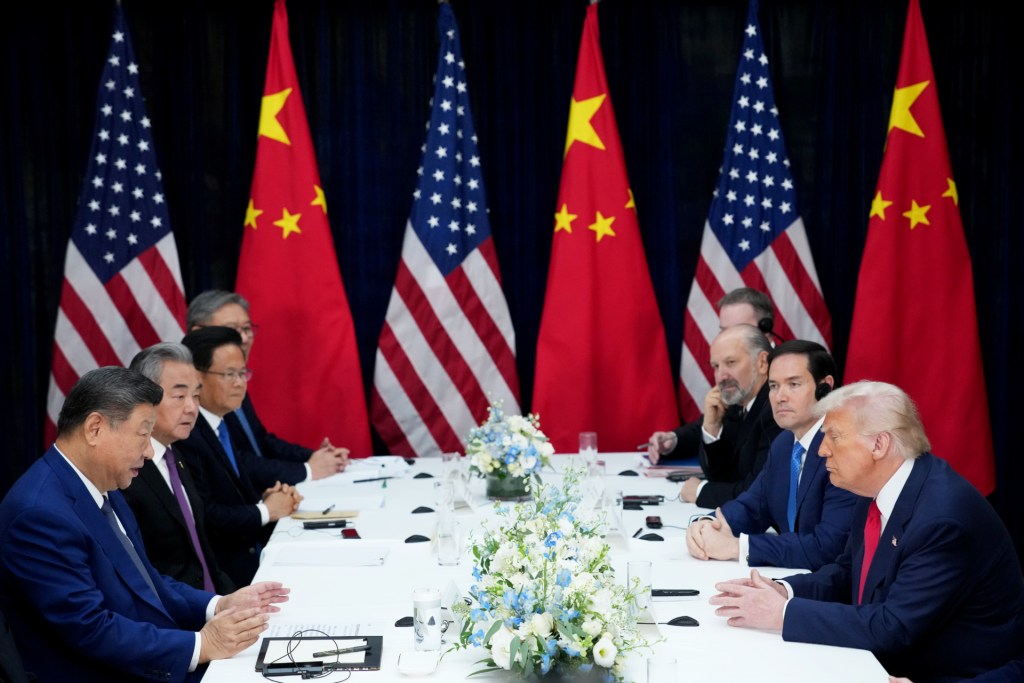
Trump’s Chip Strategy Needs Recalibration
Facing the challenge from China, U.S. technological leadership in the century ahead requires a focused and disciplined strategy coordinated with allies.
Just Security’s Artificial Intelligence Archive
Just Security's collection of articles analyzing the implications of AI for society, democracy, human rights, and warfare.

AI Model Outputs Demand the Attention of Export Control Agencies
The conversation about AI and national security must expand beyond semiconductors and model weights to encompass the outputs those technologies enable.

Governing AI Agents Globally: The Role of International Law, Norms and Accountability Mechanisms
Stakeholders must creatively leverage existing legal and normative tools to ensure AI agents serve humanity — not destabilize it.

Embedded Human Judgment in the Age of Autonomous Weapons
A new framework for autonomous weapons shows that real control depends on embedded human judgment across design, command, and operation.
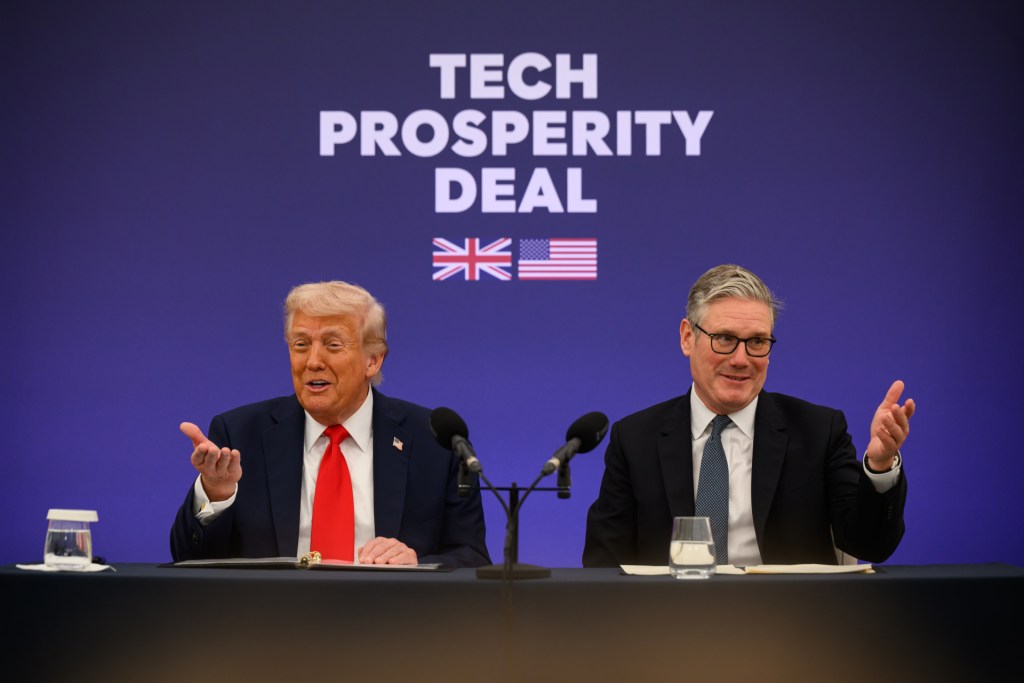
Trading Sovereignty for Scale? The Costs of the U.S.–U.K. Tech Prosperity Deal
In its Tech Prosperity Deal with the US, the United Kingdom may be trading its sovereignty for dependence on American tech firms.
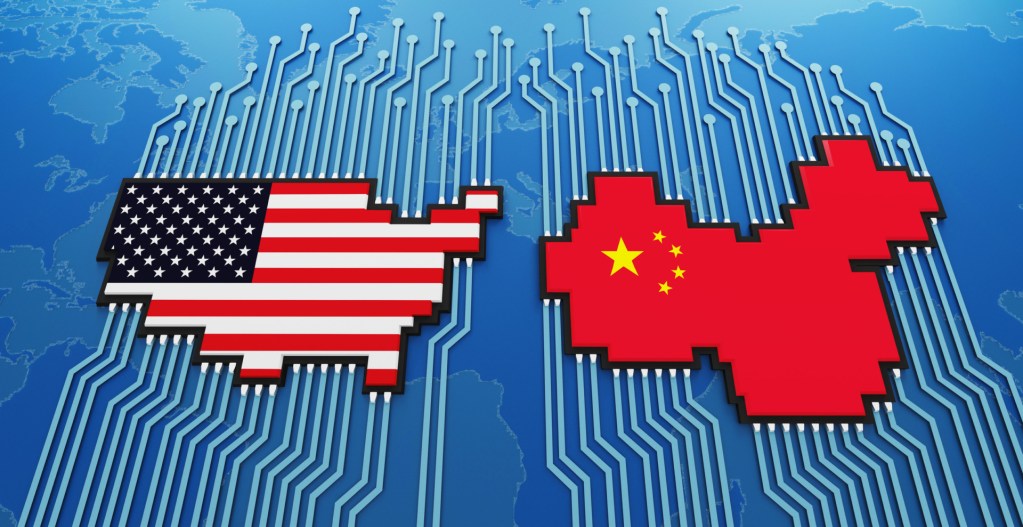
Export Controls and U.S. Trade Policy: Making Sense of the New Terrain
The Trump administration's use of export controls as leverage in trade diplomacy creates risks for key U.S. national security interests.

AI’s Hidden National Security Cost
Generative AI is being integrated across the federal workplace, but efficiency gains risk weakening national security professionals’ critical thinking and judgment.

The Just Security Podcast: Sen. Elissa Slotkin on a New Vision for American National Security
The Senator joins Tess Bridgeman and Ryan Goodman for a wide-ranging discussion on the future of national security and foreign policy.